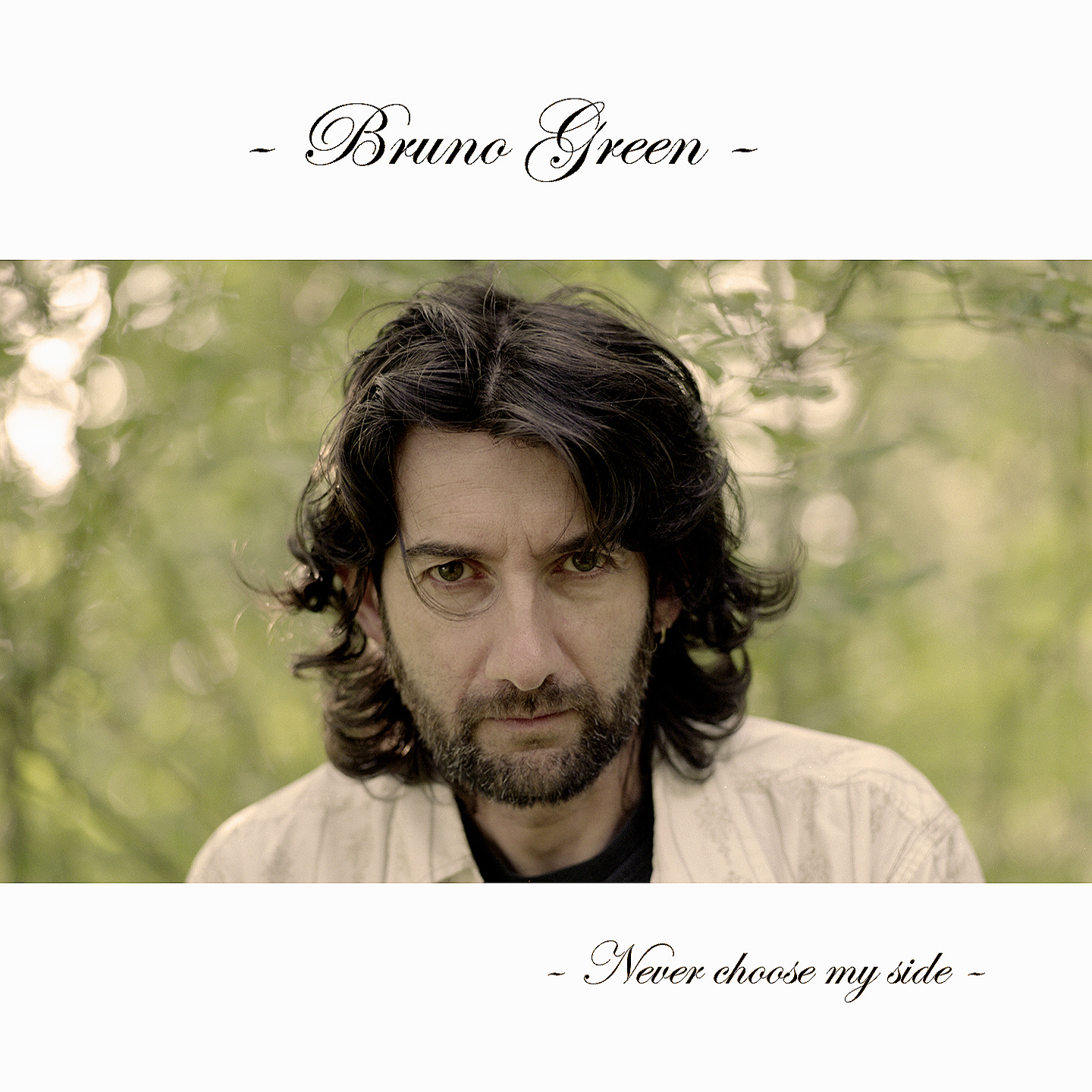
Over thirty years of musical wanderings, Bruno Green has swept across a wide spectrum of sounds, universes, and influences—moving from English to French, from guitars to keyboards, from the studio to the stage, from mixing consoles to artistic direction—all with the same voracious appetite and elegance in his insatiable discoveries and claimed freedom.
Yet, from his first EP (1990) and the two albums that followed (*Strange Moody Times* in 1992 and *Digging for Happiness* in 1993), the stage was set for all that would follow: a strong rhythmic anchor, the use of textures, a sensitive variability of tools surrounding the song, and a particular fondness for sequences and atmospheres that seem to irrevocably invent their own film. After episodes and stopovers with Miossec, Santa Cruz, Détroit, or alongside a multitude of projects and productions for others in France, as well as in the United States and Canada, where he has lived for twenty years, Bruno Green today presents a sequel to his last EP, *Wounded Bird* (2010), ending a twelve-year hiatus... Time flies, certainly, but not inspiration nor fidelity to certain values. Such is this long friendship with the mythical producer and mixer Gilles Martin, who is once again at the helm for the finalization and mixing of these three new pieces that form a single entity under the name The Mellotone Project.
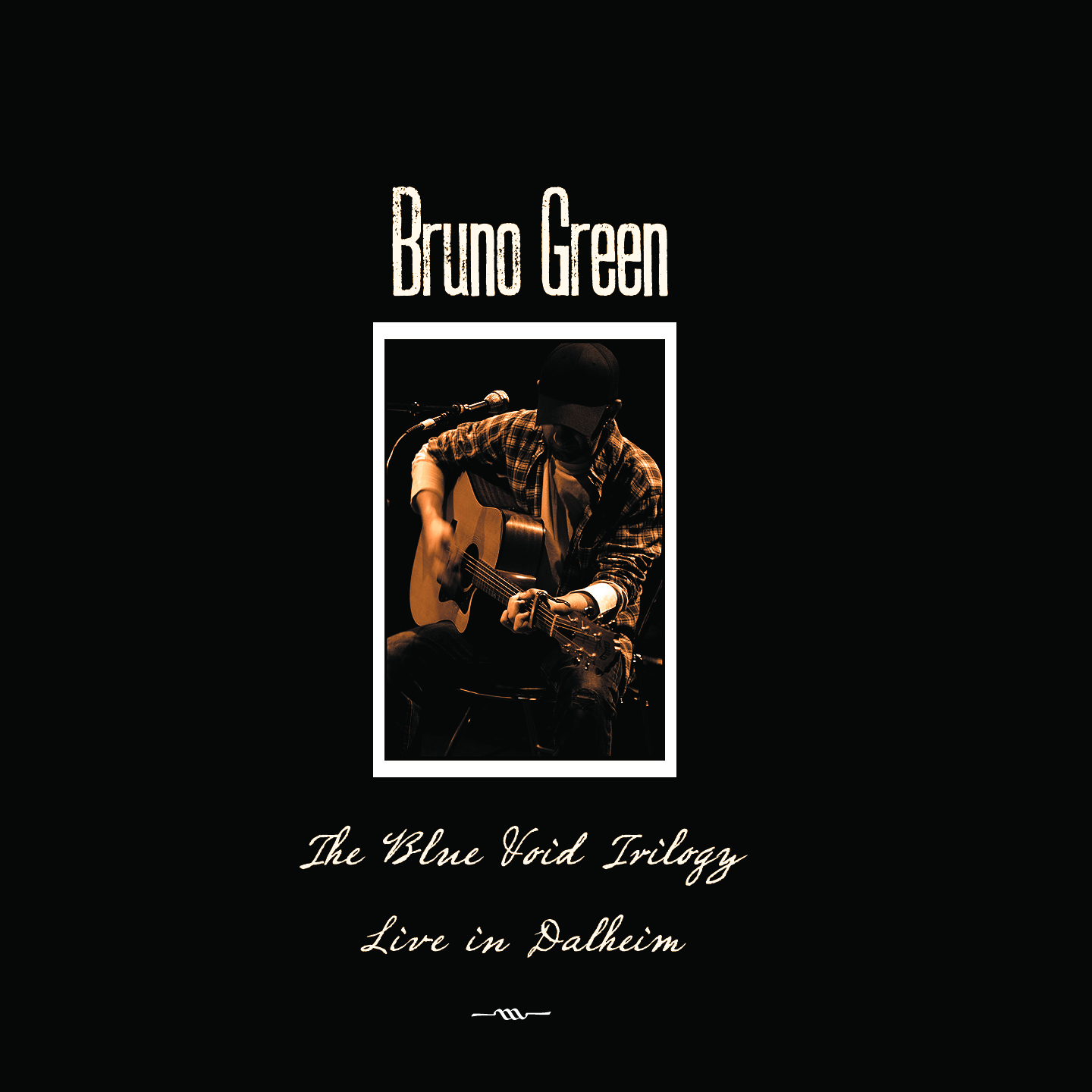
Settled in Canada in 2007, Bruno spent almost two decades running his music production and mastering studio, Silent Masters, and traveling the globe to produce albums for numerous artists or accompany them on stage. Then, in 2024, he made a notable return with a new trilogy: three albums conceived primarily in Berlin and delivered in less than six months, though their writing stretched over five years of fluctuating moods. If the three albums of his masterpiece *The Blue Void Trilogy* (2005) sought their path in the vast North American landscapes and a certain acoustic roundness, The Mellotone Project seems radically different at first glance: electronic, instrumental, and profoundly European. Around the German capital, where he believes the true heart of the continent beats—that also of romanticism, film noir, the Bauhaus, protest, and alternative proposals—Bruno Green undertakes a journey back into the past, into the clock, memories, and his own path. A voyage of personal questioning and inner revisitation, resolutely turned toward the future and refuting all nostalgia.